


Teen TikTok creators are young social media stars who build audiences through short videos. They are best known for lip sync clips, dance trends, and POV skits. Many reach millions of views before they finish high school.
However, fame at a young age brings real risks. This guide shows how these creators grow, earn, and stay safe. You’ll learn how agencies work, how brand deals run, and what families should do. Read on for practical facts you can use today.
Quick Facts
| Topic | Quick Fact |
| Who they are | Creators aged 13 to 17 who post short videos |
| Minimum TikTok age | 13 years old in the United States |
| Popular formats | Lip sync, dance trends, POV, comedy skits |
| Common platforms | TikTok, Instagram, YouTube Shorts |
| Typical early income | Often nothing for the first year |
| Brand deal range | Roughly $50 to several thousand dollars per post, depending on reach (estimated) |
| Who helps them | Parents, managers, and sometimes agencies |
| Biggest risk | Privacy loss and online strangers |
| Best habit | Posting on a steady schedule |
| Personal details shared | Not publicly disclosed in this guide, by design |
What Is a Teen TikTok Creator?
A teen TikTok creator is a young person who posts original videos and earns attention from followers. Some do it for fun. Others treat it like a small business.
Think of it like a school talent show that never ends. The stage is a phone. The audience is the whole world.
Why does this group matter? Because teens set trends. When a dance goes viral, young creators often start it. Brands notice that power quickly. As a result, companies in fashion, beauty, and snacks now look for young voices.
Still, being young means extra rules apply. Platforms limit what minors can do. States have laws about money. And parents need to stay involved.
How Do Teen Creators Get Started?
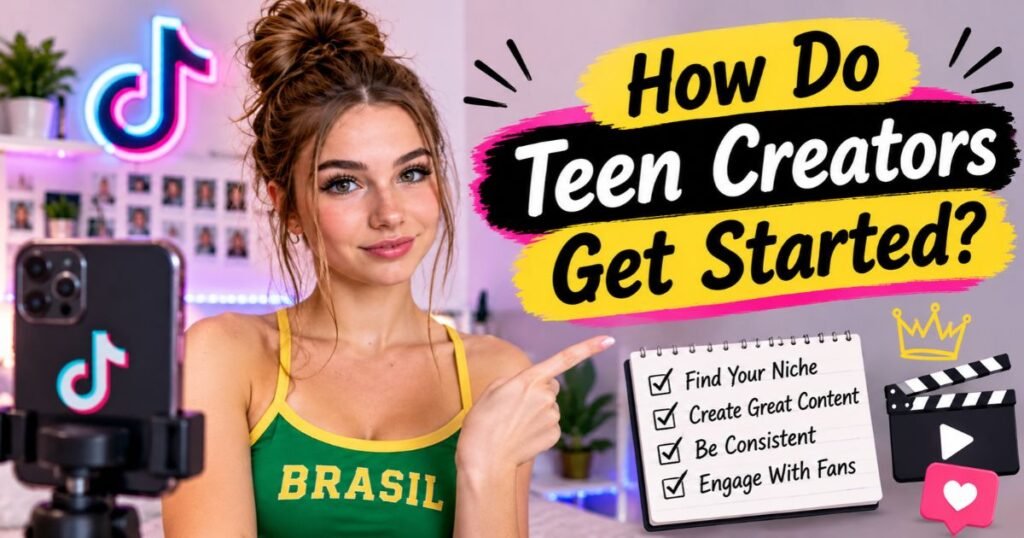
Most teen creators start with a simple idea and a phone. They don’t need fancy gear. Good light and clear sound matter more than a costly camera.
Here is a basic starting path:
- Pick a theme, such as dance, comedy, or lip sync.
- Set up the account with a parent’s help.
- Turn on privacy tools before the first post.
- Watch trending sounds and study what works.
- Post three to five times each week.
- Reply to comments in a kind, safe way.
Consider a common case. A student films a short skit in her bedroom. She uses a trending sound and adds a funny caption. The clip gets 200 views. The next one gets 2,000. By the tenth video, something clicks, and a few thousand people follow along.
That rise rarely happens overnight. It takes patience. Most creators post for months before anything takes off.
Popular Content Styles: Lip Sync, Dance and POV Videos
The top three formats are lip sync, dance, and POV videos. Each one has its own strengths.
Lip sync videos match a face and mood to a song or audio clip. They work well because the sound does half the job. Viewers love a clever expression or perfect timing.
Dance videos follow trends. A new move spreads fast. Creators who join early often get a boost from the algorithm. However, the window is short. A trend can fade in two weeks.
POV videos put the viewer inside a small story. A caption might read, “POV: your best friend borrows your hoodie again.” The clip then acts out the scene. These videos feel personal. That’s why people share them.
Which style is best? None wins every time. Smart creators test all three. Then they double down on what their audience likes.
Tips for Better Videos
- Hook the viewer in the first two seconds.
- Keep clips short, often under 30 seconds.
- Use clear lighting near a window.
- Add captions so silent viewers can follow.
- End with a reason to watch again.
How Do Followers and Likes Grow?
Followers and likes grow when viewers watch a video to the end and share it. TikTok’s system rewards watch time, shares, and comments. It doesn’t only count followers.
Here is the usual pattern. A video reaches a small test group first. If those viewers react well, TikTok shows it to more people. This process can repeat many times. That’s how one clip can jump from 500 views to 5 million.
Numbers can mislead, though. A million likes does not equal a million dollars. Likes show interest. They don’t pay bills.
| Metric | What It Tells You |
| Views | How many times people watched |
| Likes | How many people enjoyed the clip |
| Shares | How often people sent it to friends |
| Comments | How strongly people reacted |
| Followers | How many people want more |
| Watch time | How long viewers stayed |
Experts often say shares matter most. A shared clip travels to new audiences, and new audiences become followers.
Spreading to Instagram and YouTube
Smart teen creators don’t rely on one app. They move their audience across platforms. The reason is simple. If one app changes its rules, the creator still has a fan base elsewhere.
Instagram works well for photos, Reels, and daily Stories. It gives fans a closer look at the creator’s world. YouTube works well for longer videos, such as vlogs and challenges. It also pays creators through ads, though rules for minors apply.
Here is a quick comparison:
| Platform | Best For | Main Benefit |
| TikTok | Short viral clips | Fast discovery |
| Reels and Stories | Brand friendly look | |
| YouTube | Long videos | Steady income over time |
A good move is to repost top TikTok clips to Reels and Shorts. That saves time. Over a year, the audience on each platform often grows together.
What Does an Agency or Manager Do?

A manager or agency finds brand deals, handles contracts, and plans content. They take a cut, often 10 to 20 percent of earnings (estimated). Rates vary by company.
Many creators sign with a media management company once their numbers grow. A good one acts like a coach and a business office combined. A bad one only takes money.
Here’s what a solid agency should do:
- Explain every contract in plain words.
- Share how payments are split.
- Respect school and family time.
- Protect the creator’s image.
- Let the family ask for changes.
Before signing, a parent should read every page. If a term seems unclear, ask a lawyer who knows entertainment law. Because the creator is a minor, many contracts need a parent’s signature. Some may need a court’s approval in certain states.
Warning signs include pressure to sign fast, no clear exit date, and promises of fame. Real agencies don’t promise results. They show past work.
How Do Brand Deals Work for Young Creators?
A brand deal is a paid agreement where a company pays a creator to feature its product. The creator makes a video, and the brand pays a set fee or gives free products.
Most deals follow these steps:
- A brand or agency contacts the creator.
- Both sides agree on the video style and price.
- The creator posts the sponsored video.
- The creator marks it as an ad.
- The brand pays after a set number of days.
That fourth step is not optional. The Federal Trade Commission expects clear ad disclosures. A hashtag such as #ad or a paid partnership label works. Skipping it can cause trouble for both the creator and the brand.
Fashion and beauty brands often reach out first. Snack makers, phone cases, and app companies follow. Smaller creators may only get free items at the start. That’s normal. Free gifts can still build a portfolio.
Example Case Study
Picture a composite example, not a real person. A 15 year old posts fashion clips and reaches 80,000 followers. A clothing brand offers a $300 fee plus free outfits for three videos. Her parent reviews the contract. They ask for a shorter usage window, so the brand can’t reuse her face forever. The brand agrees. Three videos go live, each marked as an ad. The deal ends clean, and the brand books her again.
The lesson is clear. Small contracts teach big skills.
How Much Can Teen Creators Earn?
Most teen creators earn little or nothing. A few earn well. The gap between them is huge.
Here are rough estimates. They are not guarantees:
| Audience Size | Likely Income Source | Estimated Range per Post |
| Under 10,000 | Free products | $0 to $50 |
| 10,000 to 100,000 | Small brand deals | $50 to $500 |
| 100,000 to 1 million | Regular sponsors | $500 to $5,000 |
| Over 1 million | Major campaigns | $5,000 and up |
Rules matter here. TikTok’s own creator payment programs and live gifts are generally limited to adults aged 18 and over. So a teen mainly earns through brand deals and other platforms, with a parent handling the money.
Also, money isn’t steady. A creator may earn well one month and nothing the next. Trends change. Algorithms shift. Because of that, families should save a portion and avoid big spending plans.
Taxes also apply. Brand income counts as earnings. A parent or tax professional should help file correctly.
What Role Does Family Play?
Family is the safety net behind most young creators. Parents often act as editor, driver, and business partner at once.
Some creators even work with brothers and sisters. Sibling content tends to feel warm and funny. Fans love the bond. Yet it brings questions. Should every sibling appear online? What if one doesn’t want to?
Good family habits include:
- Ask the child for consent before posting.
- Set a weekly limit on filming time.
- Keep school grades first.
- Never share home details on camera.
- Review comments and messages together.
- Save part of every payment for the future.
A family meeting every month helps. Talk about what’s working. Talk about what feels uncomfortable. If the child wants a break, honor it. Burnout is real, and a rested creator makes better videos anyway.
Some states now protect child influencers by law. California has long required that a share of child performer earnings be set aside. Other states, such as Illinois and Minnesota, have passed newer rules for minors in content creation. Laws change often, so check your own state’s current rules.
School, Time, and Mental Health
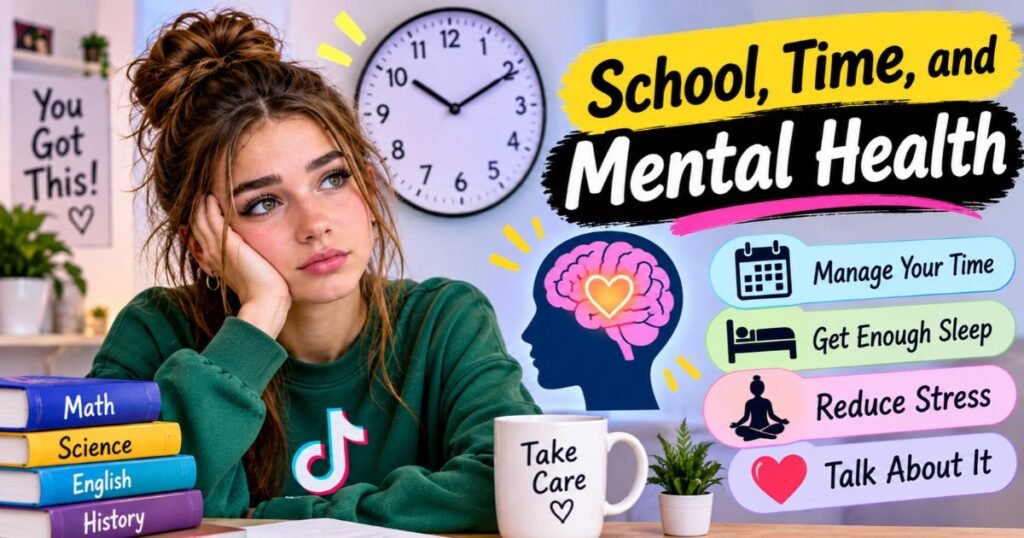
Time is the biggest challenge. Filming, editing, and replying to fans can take hours. Add homework and sports, and the day fills fast.
A simple weekly plan helps:
| Day | Task |
| Monday to Thursday | Homework first, one short video |
| Friday | Film several clips in one batch |
| Saturday | Edit and schedule posts |
| Sunday | Rest, no screens for a few hours |
Mental health matters too. Public comments can sting. Some viewers are unkind. A teen may start tying their worth to likes. That’s a trap.
Watch for warning signs such as trouble sleeping, mood swings, or losing interest in friends. If you see them, pause posting. Talk with a school counselor or doctor. Real friends and offline hobbies keep a creator grounded.
Online Safety and Privacy Rules
The best safety rule is simple. Share the video, not the address. Strangers should never learn where a teen lives, studies, or hangs out.
TikTok applies extra protections for younger users. Accounts for ages 13 to 15 are private by default, and direct messages are limited for under 16 accounts. These settings help. Still, they don’t replace smart habits.
Here is a safety checklist:
- Use a private email for the account.
- Keep the school name off camera.
- Blur street signs and house numbers.
- Turn off location tags.
- Limit who can comment, duet, or message.
- Never meet an online contact alone.
- Report anyone who asks for private photos or personal details.
- Tell a trusted adult about any odd message.
Also watch out for scams. Fake brand emails may ask for money or a login. A real brand never asks a teen to pay first.
If something goes wrong, save screenshots. Report the account in the app. Then tell a parent right away. Silence helps no one but the bad actor.
Platform Limits and Laws for Minors
TikTok requires users to be at least 13 in the United States. Some features, such as going live and receiving gifts, are restricted to older users. Platforms update these rules often, so read the current terms.
Several legal ideas apply to young creators:
- Advertising rules: Paid posts need clear labels.
- Privacy law: Federal law limits how companies collect data from kids under 13.
- Earnings protection: Some states require parents to set aside part of a child’s income.
- Work rules: Some states apply child labor and entertainment work laws to content creation.
None of this is legal advice. Laws differ by state and change over time. When real money enters the picture, speak with a lawyer who knows this field.
Common Mistakes Teen Creators Make
Even talented creators trip up. Here are the usual mistakes:
- Chasing every trend. Copying everything makes you forgettable.
- Oversharing. Personal details can put a child at risk.
- Ignoring contracts. A rushed signature can cost years of freedom.
- Buying followers. Fake numbers hurt trust and brand deals.
- Posting while tired or upset. Clips live forever.
- Skipping ad labels. That breaks the rules.
- Dropping school. Education is a long game.
Fix these early, and growth gets easier.
Fast Facts
- TikTok accounts start at age 13 in the United States.
- Lip sync, dance, and POV clips lead teen content.
- Shares often matter more than likes.
- Most teens earn little before they build a large audience.
- Brand deals usually start with free products.
- Managers often take roughly 10 to 20 percent (estimated).
- Paid posts must carry a clear ad label.
- Many TikTok payout and live gift features are limited to adults.
- Privacy settings should be switched on before the first post.
- Family support is the strongest predictor of a healthy creator journey (widely believed among youth media experts).
Frequently Asked Questions
What age can someone join TikTok?
The minimum age is 13 in the United States. Younger children should not have their own accounts.
How do teen creators grow fast?
They post often, follow trends, and make clips people share. Strong hooks in the first two seconds help most.
Do teen creators get paid by TikTok?
Most payout programs require users to be 18 or older. Teens usually earn through brand deals and other platforms.
How much do brand deals pay?
Small accounts may earn $50 to $500 per post. Big accounts can earn thousands (estimated).
Do teens need a manager?
Not at first. A manager helps once brand offers start coming in, and a parent should review every contract.
Is it safe for a teen to be a creator?
It can be safe with strong privacy habits and family involvement. Risks never vanish fully, so stay alert.
Can siblings make videos together?
Yes. Just make sure every child agrees and feels comfortable being on camera.
What should parents check before a contract?
Check pay terms, usage length, exit rules, and who owns the content. A lawyer can help.
Conclusion
Teen TikTok creators turn short videos into real careers. But the path takes care. Strong content, steady posting, and smart agency or brand choices drive growth. Family guidance, private details, and clear time limits protect the young creator.
Earnings stay modest for most. So school and balance matter. If you’re a teen creator or a parent, start small and ask questions. Check state rules before signing anything. Remember that childhood comes first. Views fade. A safe, happy start always lasts.

James Rock is a writer at Blessenza.com who shares heartfelt blessings, inspiring quotes, meaningful prayers, and uplifting messages. He enjoys creating content that spreads positivity, encourages gratitude, and brings comfort to everyday life.
